Introduction
Nonprofits play a crucial role in addressing societal challenges, from poverty alleviation to education and healthcare. However, many organizations struggle to create services that are truly intuitive, accessible, and impactful for their beneficiaries. Human-centered design (HCD) offers a powerful framework for nonprofits to develop solutions that meet real user needs, foster engagement, and drive meaningful change.
This article explores the principles of HCD, its benefits for nonprofit organizations, and real-world examples of its successful implementation.
Understanding Human-Centered Design
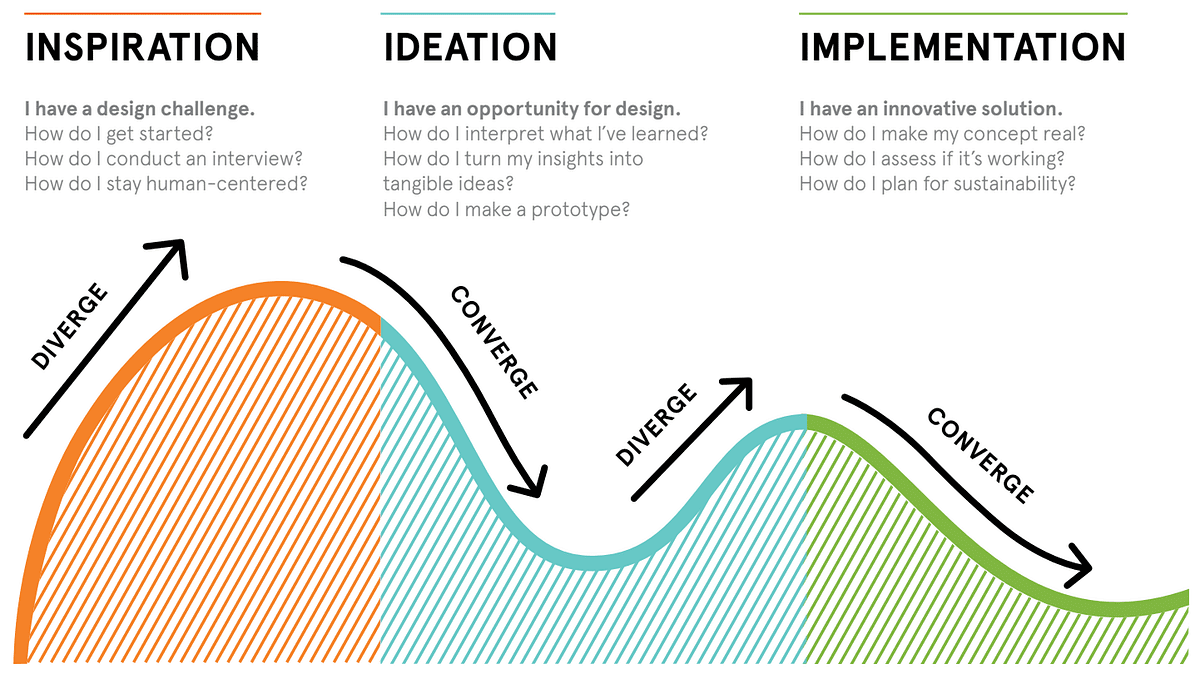
Human-centered design is an approach that prioritizes the experiences, needs, and feedback of the people a service is intended to serve. It involves a cyclical process of:
- Empathizing – Understanding the target audience’s challenges, motivations, and behaviors through research and direct engagement.
- Defining – Clearly identifying the problem based on insights gathered.
- Ideating – Brainstorming creative and user-centric solutions.
- Prototyping – Developing low-cost, testable versions of a solution.
- Testing – Gathering user feedback and refining the solution iteratively.
By incorporating this iterative process, nonprofits can ensure that their programs and services are effective, efficient, and inclusive.
Benefits of Human-Centered Design for Nonprofits
1. Enhancing Accessibility
Many nonprofit services aim to reach vulnerable and marginalized populations, including those with disabilities, language barriers, or limited digital literacy. HCD ensures that solutions are designed with accessibility in mind, reducing barriers to engagement and participation.
For example, a nonprofit offering job training for low-income individuals might discover through user research that their online application system is difficult to navigate on mobile devices. An HCD approach would lead to a mobile-friendly redesign, making it easier for applicants to access opportunities.
2. Improving Program Effectiveness
Programs designed without direct input from beneficiaries often fail to address real needs. HCD ensures that programs are tailored to users, making them more effective in achieving their intended impact.
A health nonprofit, for instance, might use HCD principles to redesign a maternal health intervention. By engaging expectant mothers, healthcare providers, and community leaders, they can develop a program that better addresses cultural norms, local healthcare access issues, and user preferences.
3. Strengthening Community Engagement
Successful nonprofits build strong relationships with their communities. HCD fosters a sense of collaboration by actively involving users in the design process, making them feel heard and valued.
An example of this is a nonprofit aiming to improve after-school programs. Instead of assuming what students need, the organization could conduct workshops and interviews with students, parents, and teachers to co-create a curriculum that resonates with its participants.
4. Boosting Donor and Stakeholder Confidence
Funders and donors are increasingly interested in data-driven, user-tested solutions that demonstrate real impact. By adopting an HCD approach, nonprofits can provide compelling evidence of their programs’ effectiveness, increasing trust and financial support.
For example, a nonprofit providing financial literacy training could use user feedback to refine its curriculum, leading to measurable improvements in participants’ financial habits. These outcomes can then be presented to funders as proof of success.
5. Reducing Wasted Resources
Traditional program development methods often involve significant investment in initiatives that may not work. HCD mitigates this risk by testing solutions early and often, allowing nonprofits to refine their services before large-scale implementation.
A food bank, for instance, might initially launch a digital food request system, only to find through testing that many users prefer a phone-based option. Adjusting based on user feedback ensures that resources are used efficiently.
Real-World Examples of Human-Centered Design in Action
IDEO and the HCD Toolkit for Nonprofits
IDEO, a leading design firm, developed a free HCD Toolkit specifically for nonprofits. This toolkit has helped organizations worldwide apply design thinking principles to their work. For instance, an education nonprofit in Africa used the toolkit to design a student-centric learning program, improving retention and engagement rates.
Designing for Safe Sanitation in India
A nonprofit working on sanitation in rural India used HCD to understand why residents were not using newly built latrines. Through interviews and observations, they discovered that cultural beliefs and privacy concerns were major barriers. They redesigned the latrines to better align with local customs, significantly increasing adoption rates.
Mobile Banking for the Underbanked
A financial inclusion nonprofit used HCD to design a mobile banking solution for underbanked populations in Latin America. Through user testing, they realized that many potential users were unfamiliar with digital transactions. They incorporated step-by-step guidance and simplified interfaces, leading to higher adoption and financial empowerment.
Implementing Human-Centered Design in Your Nonprofit
Start with User Research
Begin by conducting surveys, interviews, and observational studies to understand the needs and behaviors of your target audience.
Engage Stakeholders Early
Involve community members, staff, and funders in the design process to ensure buy-in and collaboration.
Prototype and Iterate
Create small-scale, testable solutions and refine them based on user feedback.
Measure and Adapt
Use data and qualitative feedback to assess impact and continuously improve your programs.
Conclusion
Human-centered design is a transformative approach that empowers nonprofits to create services that are accessible, effective, and impactful. By prioritizing the needs and experiences of their beneficiaries, organizations can drive meaningful change while optimizing resources and fostering deeper community engagement. Whether designing a new program, refining an existing service, or securing funding, HCD provides a powerful framework for nonprofit success.
Adopting human-centered design is not just an investment in better services—it’s an investment in the people nonprofits serve and the lasting impact they strive to create.